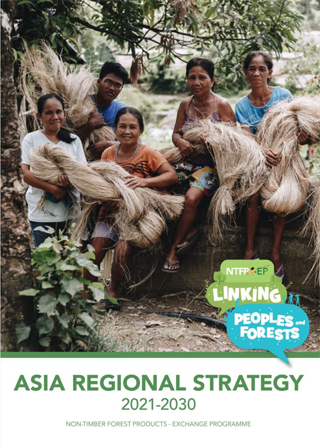


Linking Peoples and Forests
What are NTFPs?
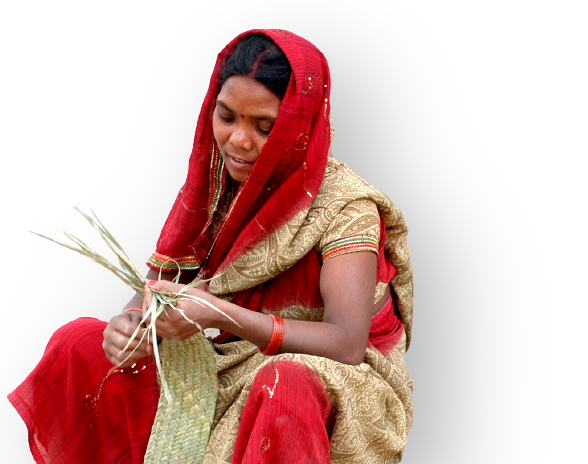
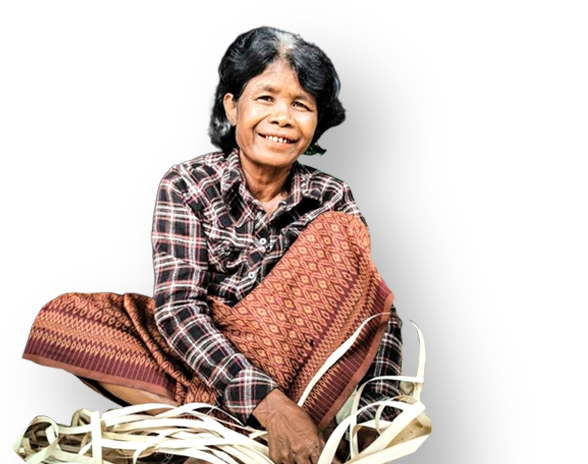
Non-Timber Forest Products (NTFPs) are defined as "all biological materials, other than timber, which are extracted from forests for human use."
Exchange News
Recent News, Events and Blogs
-
April 2, 2024 - Blogs
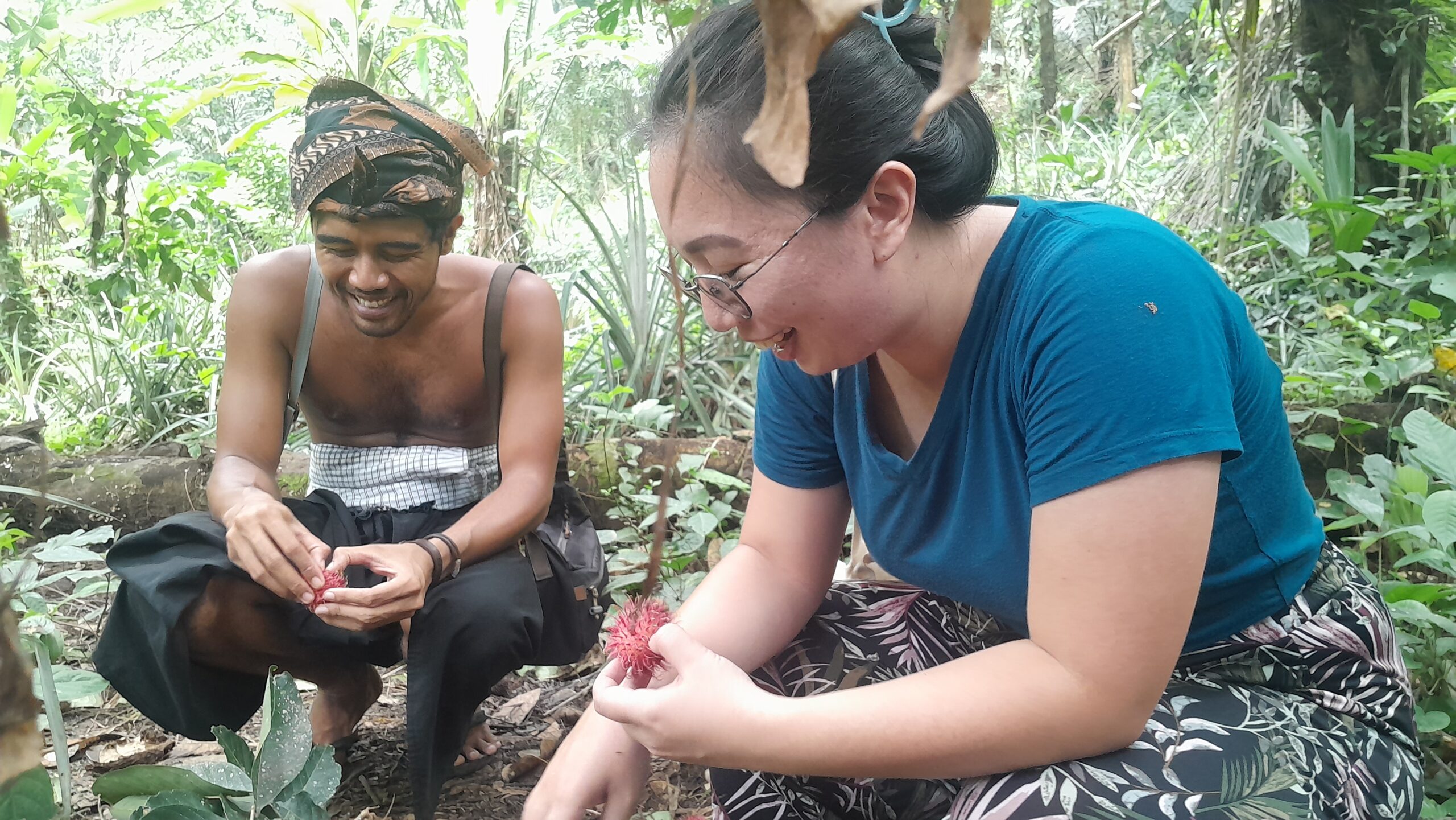 Finding Common Ground
 -
December 15, 2023 - News
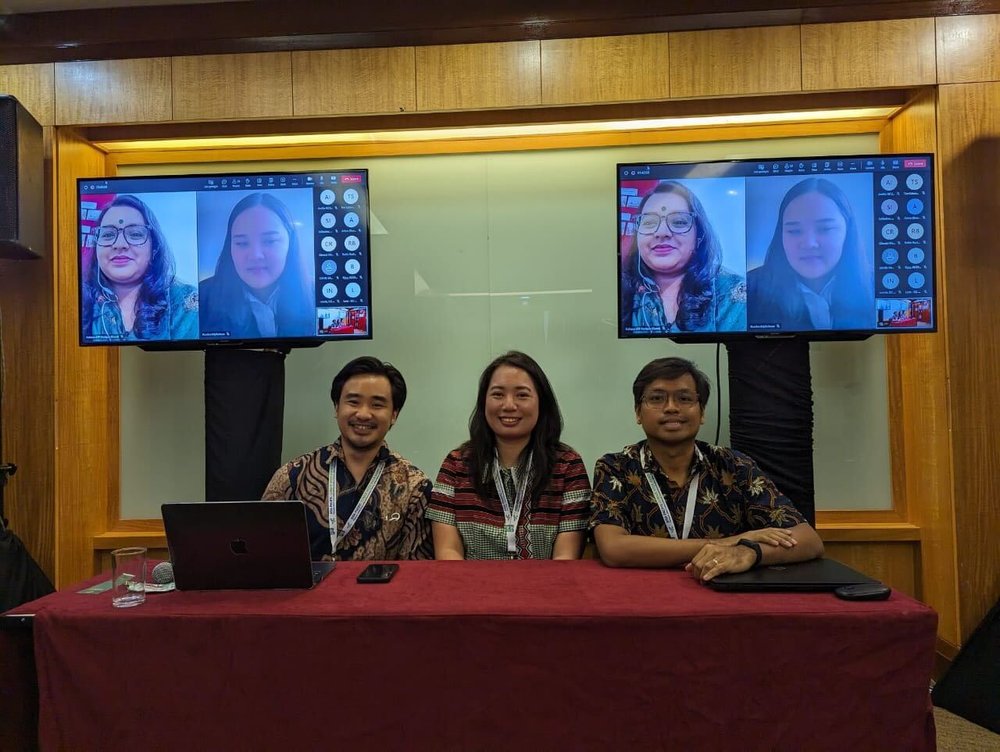 Creating space for the youth of Asia to drive climate solutions
 -
November 30, 2023 - News
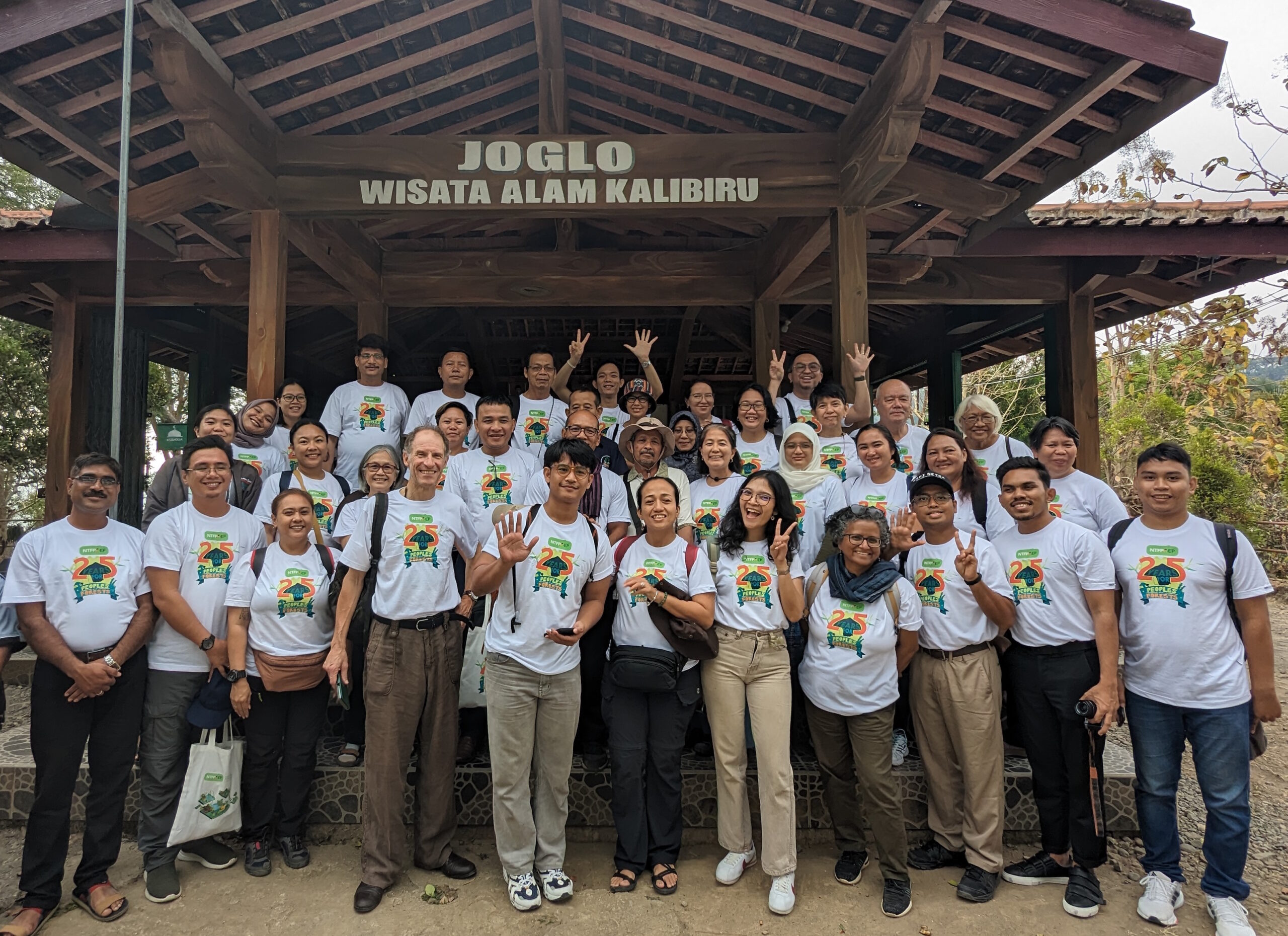 The NTFP-EP Declaration for Peoples and Forests
 -
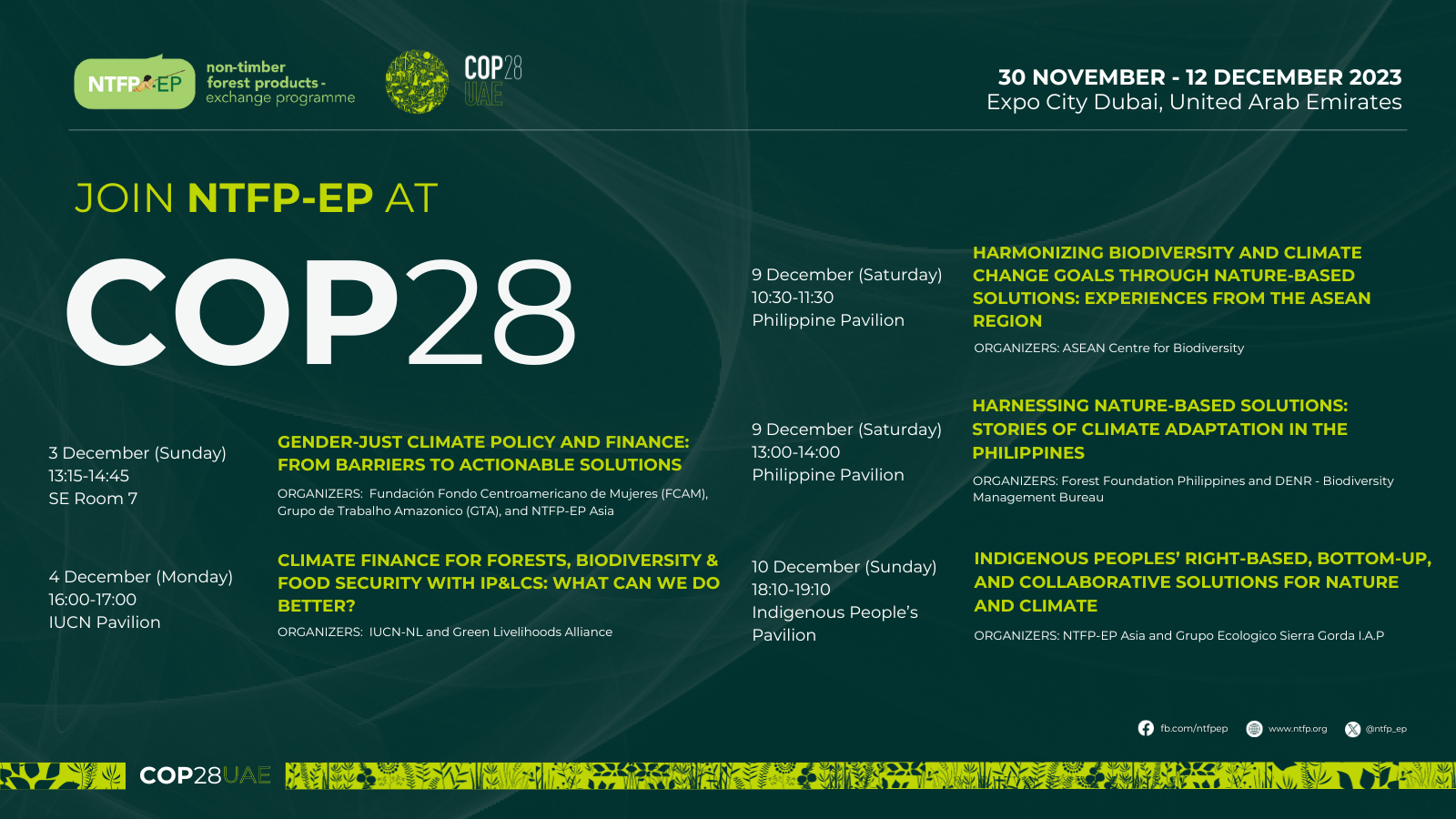
November 28, 2023 - Events Join NTFP-EP at COP28 in the UAE
-
November 23, 2023 - News
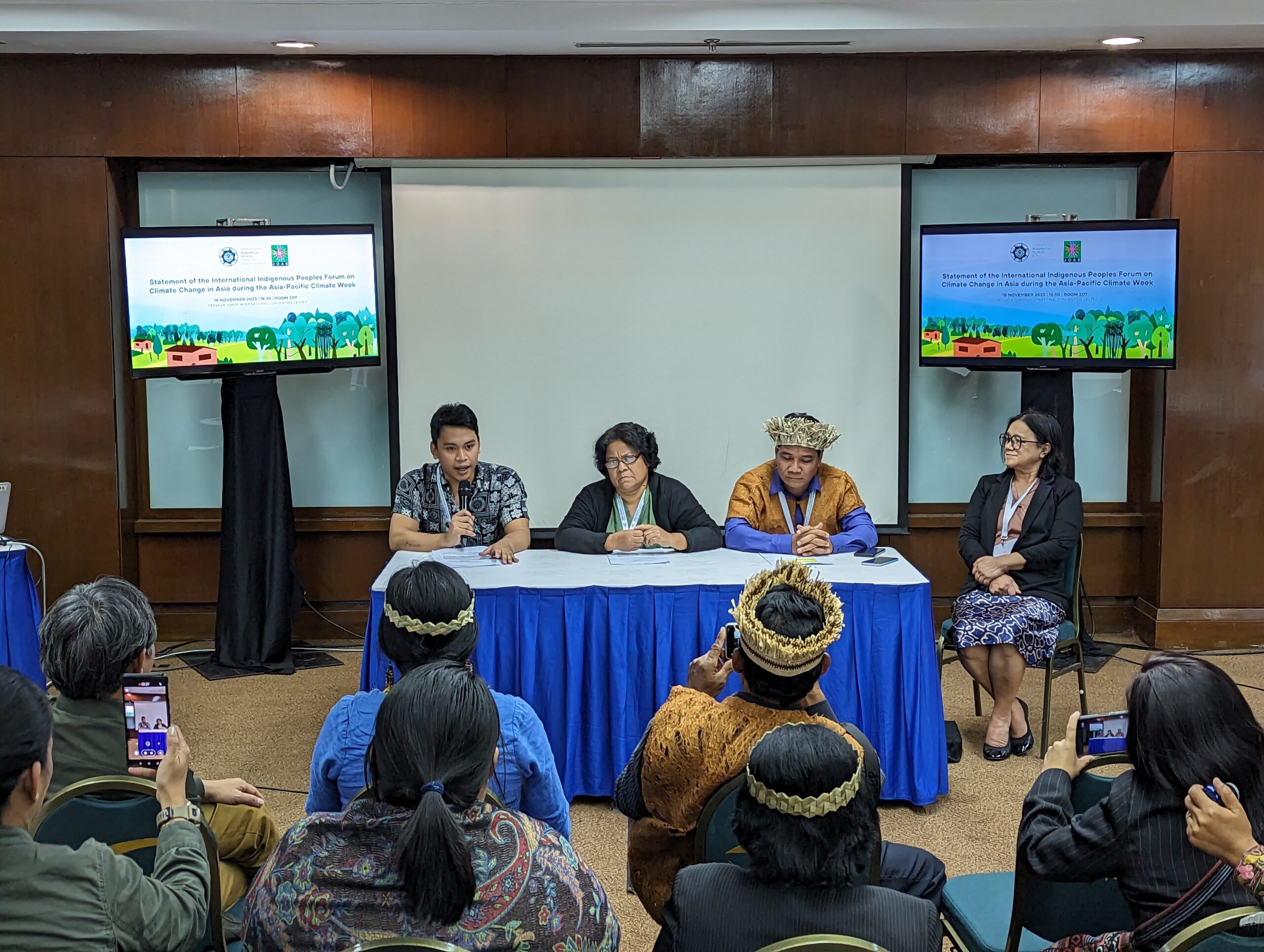 PRESS RELEASE: Statement of the International Indigenous Peoples Forum on Climate Change in Asia during the Asia-Pacific Climate Week 2023
 -
November 12, 2023 - Events
 NTFP-EP at the Asia-Pacific Climate Week 2023
 -
October 27, 2023 - Events
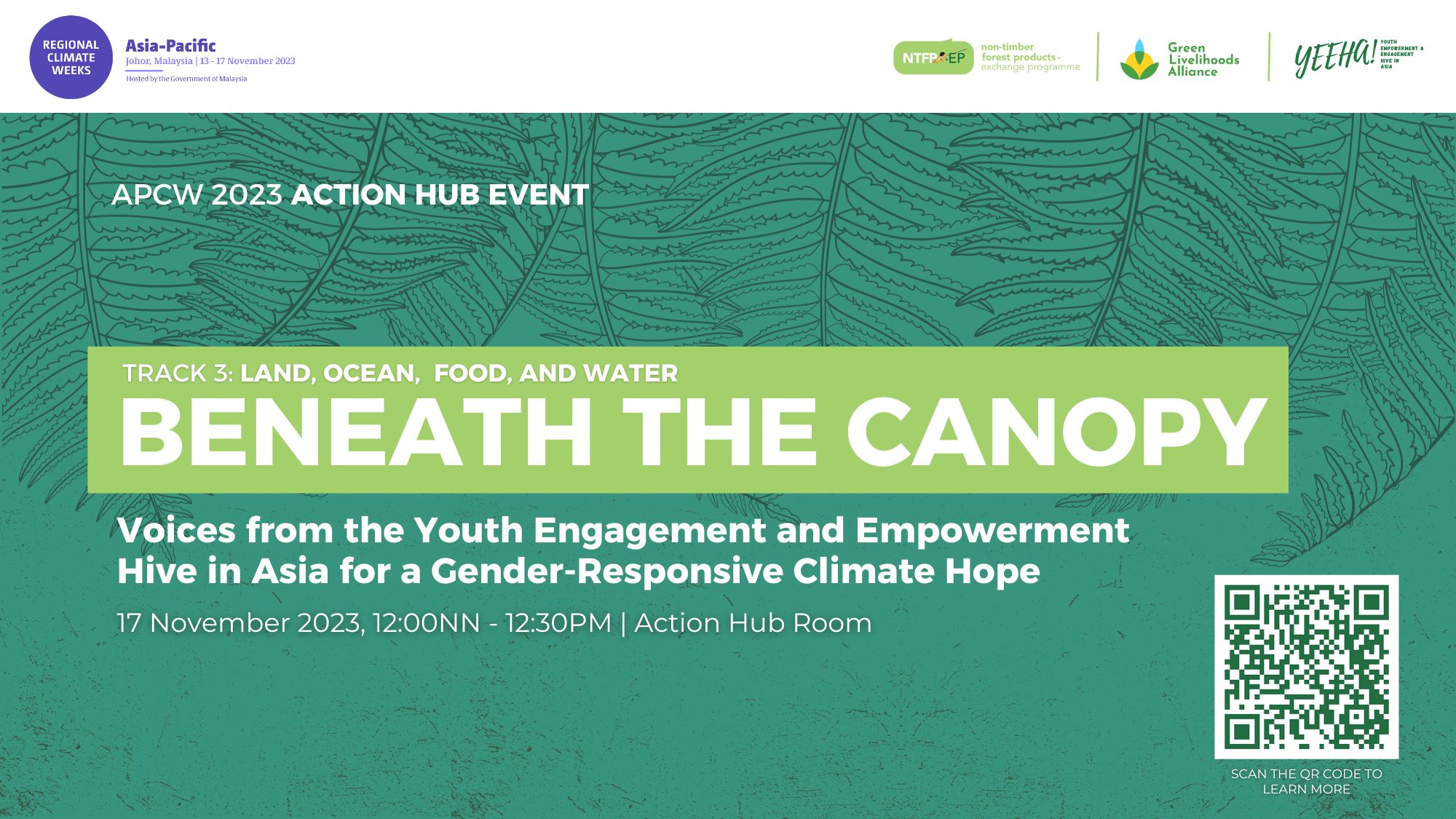 Beneath the Canopy: Voices from the Youth Engagement and Empowerment Hive in Asia for a Gender-Responsive Climate Hope (APCW 2023 Action Hub event)
 -
October 26, 2023 - Events
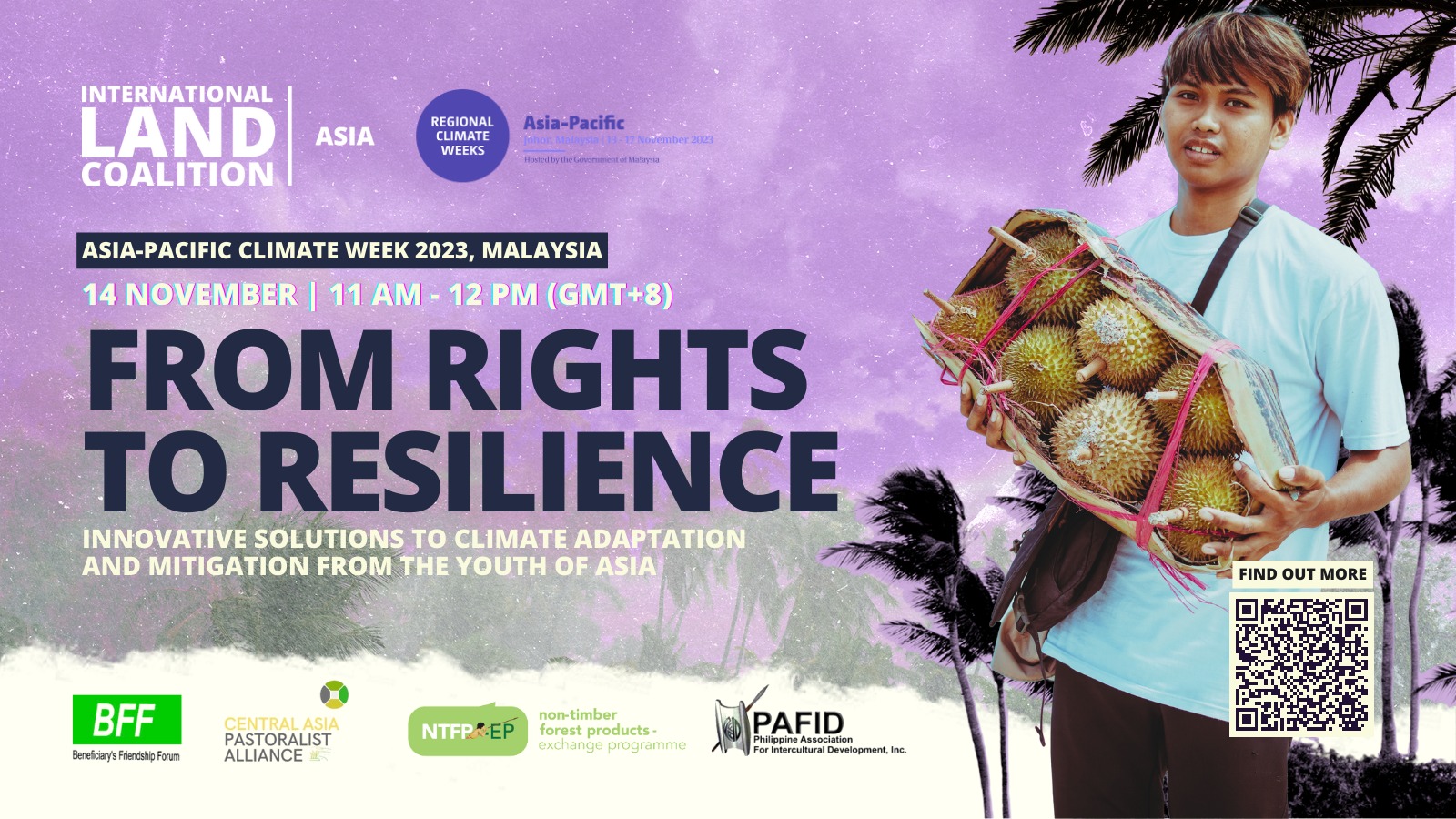 From Rights to Resilience: Innovative Solutions to Climate Adaptation and Mitigation from the Youth of Asia (APCW 2023 Side Event)
 -
October 11, 2023 - News
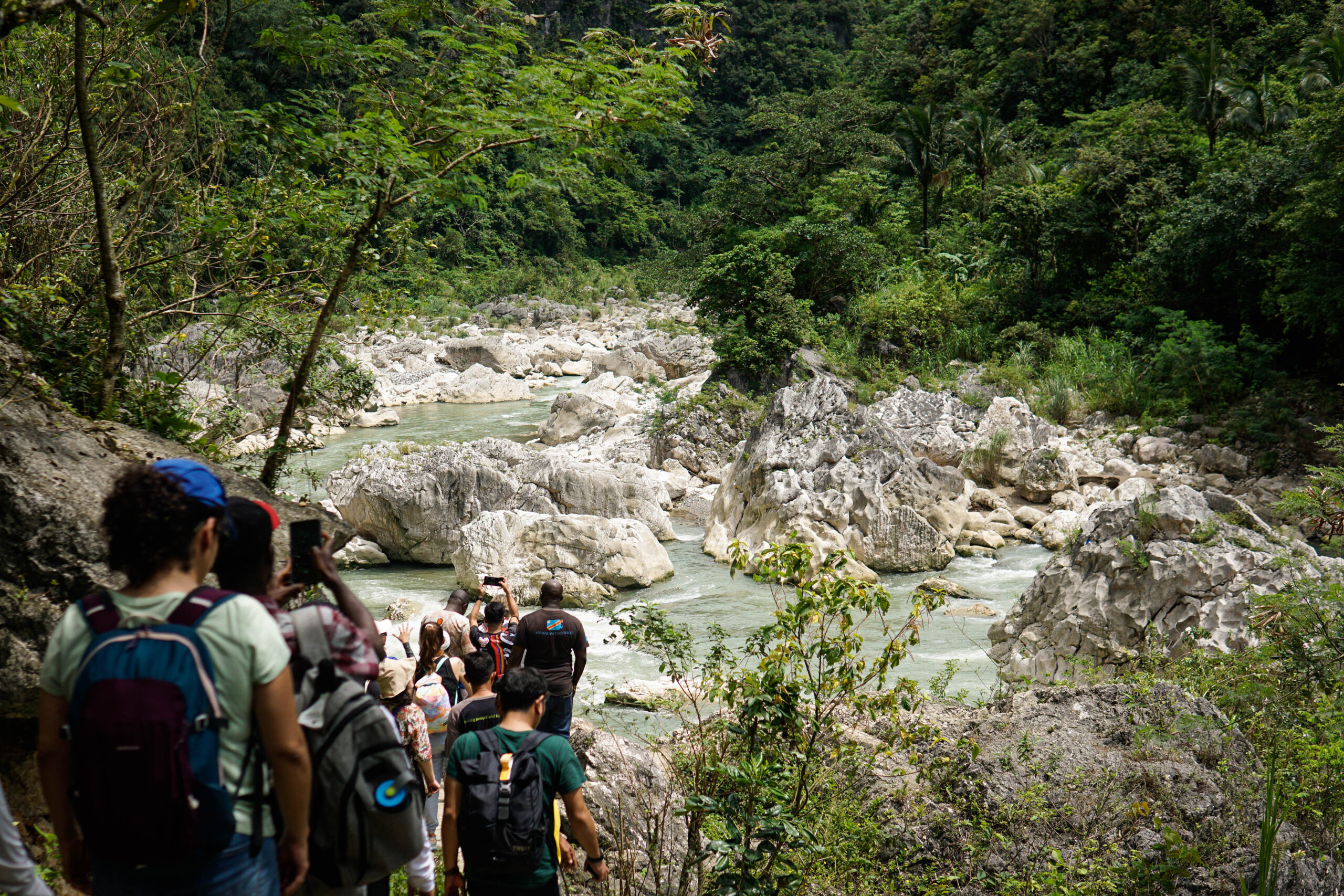 IN PHOTOS: GLA visits Dumagat-Remontado ancestral domain in Rizal, Philippines
 -
September 25, 2023 - Blogs
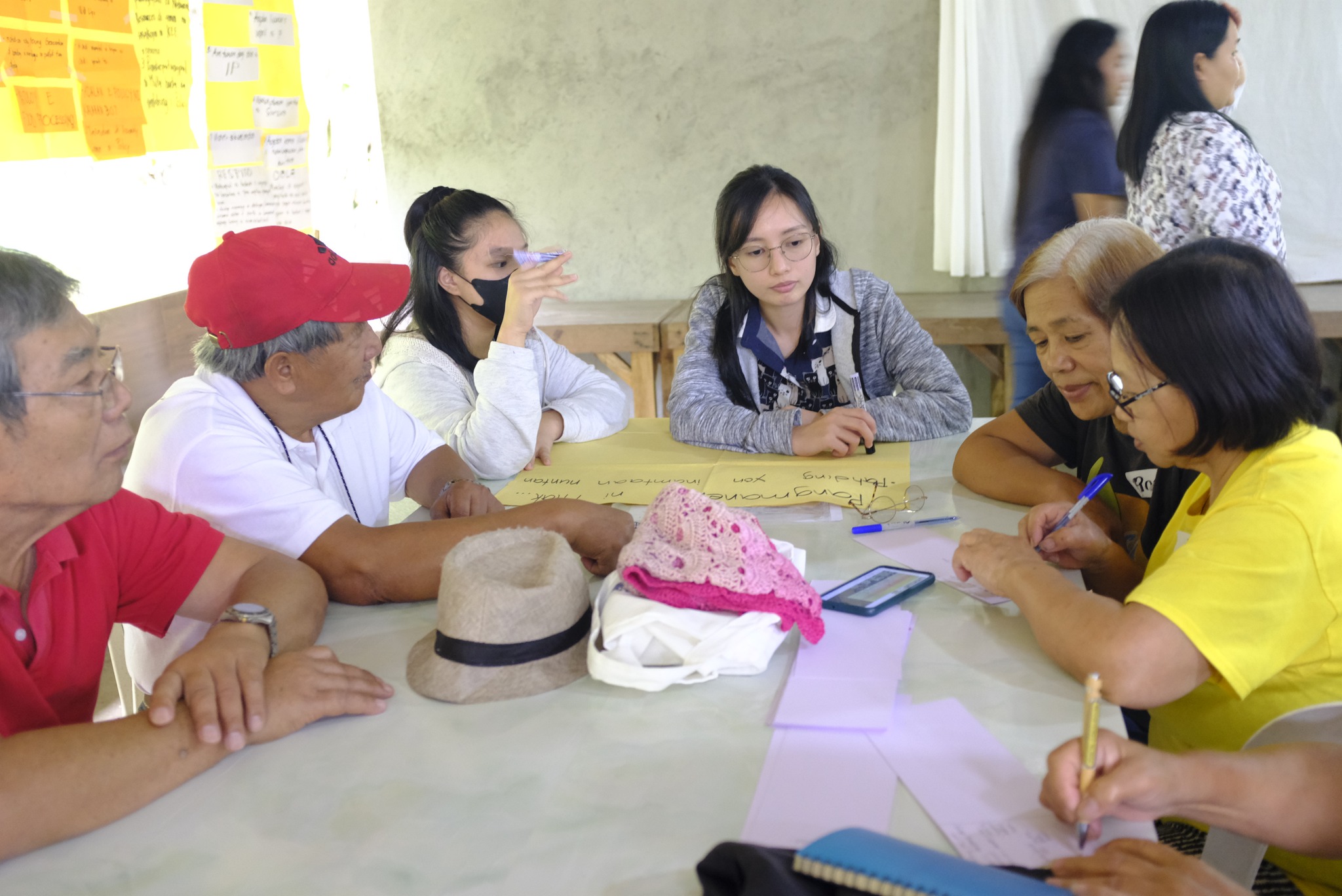 BLOG: Ikalahan youth as culture bearers
Knowledge Center
-
 Hive- The NTFP e-learning platformFor many years, experts have studied the collective intelligence of insects such as bees in the way they communicate in nature. It has been discovered that the information exchange among individual bees is perhaps the most essential component of the swarm’s knowledge sharing system. Bees exhibit this dynamic interaction in the ways they strategize and socialize as they forage for food from floral sources and carry it back into their command center– the HIVE.
 -
 NTFP DatabaseThis database aims to become a comprehensive source of data on non-timber forest products in the South and Southeast region. It showcases those NTFPs in the six countries where EP partners have a presence, namely India, Indonesia, Philippines, Malaysia, Vietnam and Cambodia. The database is more than just an online profile of NTFPs. Other interesting and lesser known information in relation to socio-cultural roles, management practices, and specific are recognised.